Dedicated to a diabetes-free Rwanda
The Rwanda Diabetes Association (RDA) is a national, non-profit organization dedicated to improving the lives of people living with diabetes across Rwanda. Founded in 1997, we work to prevent complications, strengthen community awareness, and support individuals and families through quality education, screening, and care.
For more than two decades, we have partnered with local and international institutions to promote better health, reduce stigma, and ensure that reliable information and lifesaving support reach communities everywhere.
What drives everything we do
Our Mission
To enhance the well-being of people living with diabetes in Rwanda through education, early detection, advocacy, and accessible care.
Our Vision
A Rwanda where no one dies or suffers preventable complications from diabetes — a future we build together, every day.
Our Objectives
- Prevent and treat diabetes and its complications
- Educate and mobilize citizens to understand diabetes
- Support families with reliable health information
- Promote research to improve national diabetes care
- Advocate for stronger policies and partnerships
"Ensuring every Rwandan has access to quality diabetes care and the knowledge to manage their health."See Our Impact
Our programs at a glance
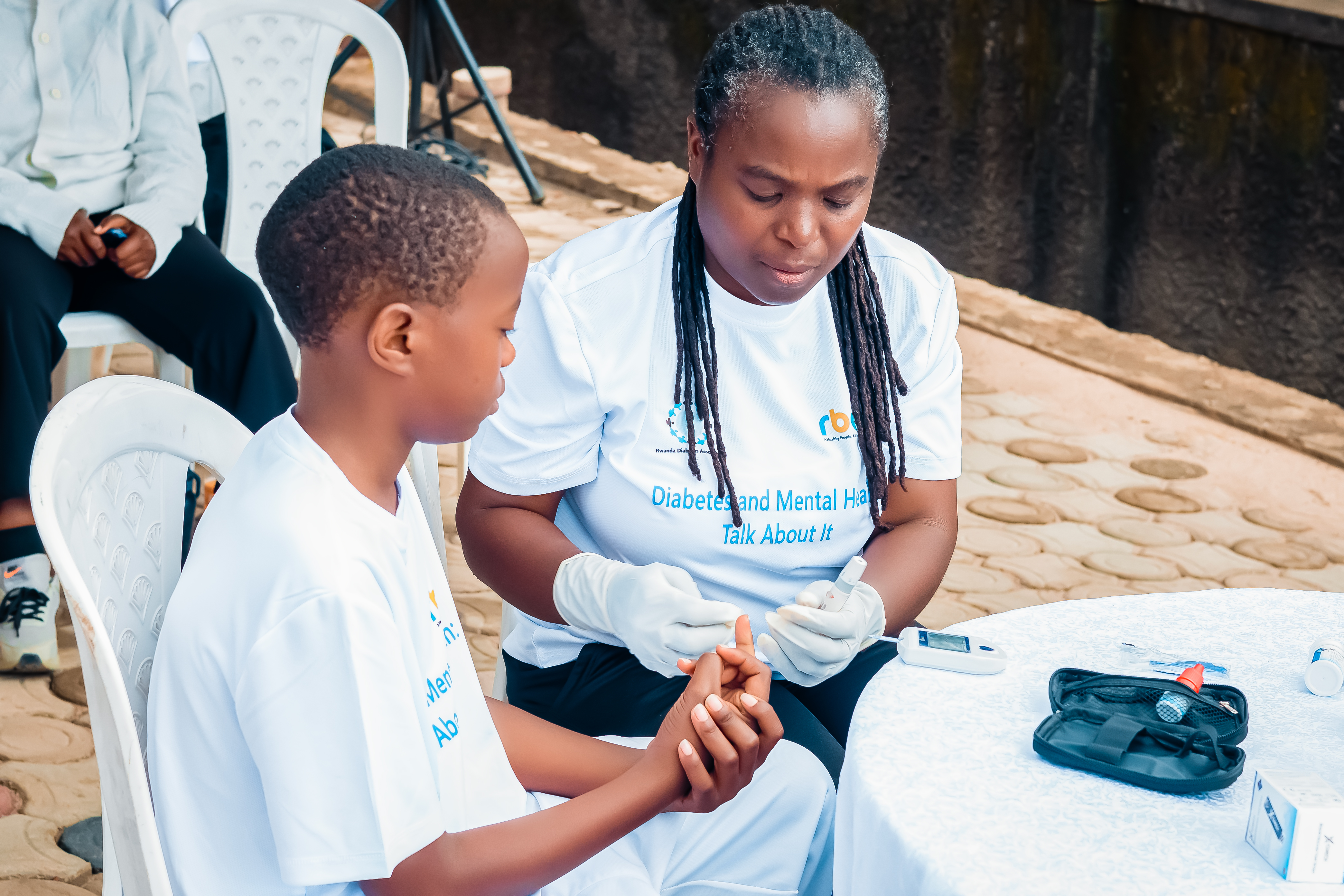
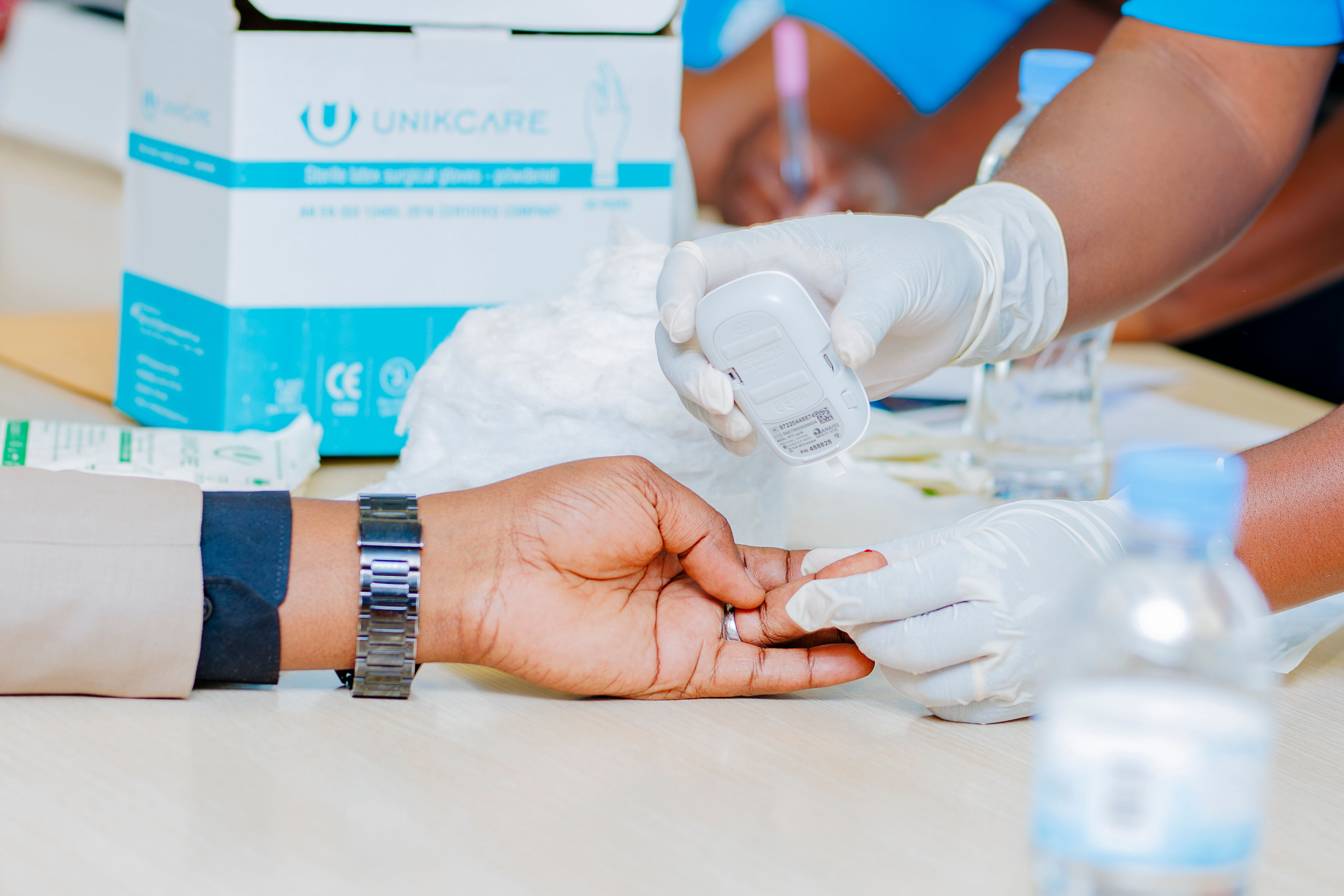
Through mobile clinics, outreach events, and health facility partnerships, we help communities access early screening critical for reducing complications and saving lives.
Diabetes Basics
Diabetes is a chronic condition that happens when the body can’t produce or properly use insulin. Insulin is a hormone produced by the body that regulates blood sugar. Normally, the food you eat is broken down into glucose (sugar), which enters your bloodstream. Insulin regulates blood sugar by helping glucose enter your cells to be used for energy.
Learn moreType 1 Diabetes
We are dedicated to transforming the lives of individuals living with Type 1 Diabetes (T1D), particularly young people in our community. Through strategic partnerships and a commitment to holistic care, we provide essential support that goes beyond medical treatment, fostering independence, education, and economic empowerment
Learn moreBuilding a healthier Rwanda, together
We believe that every Rwandan deserves access to accurate information, quality care, and a supportive community. Through strong partnerships and community-driven programs, we remain committed to a future free from preventable diabetes complications.
Frequently asked questions
Here are some of the questions we often receive from our community. Can't find what you're looking for?